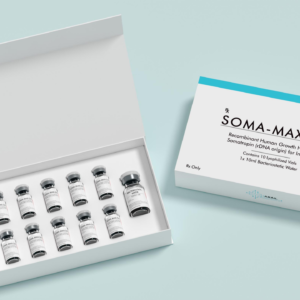
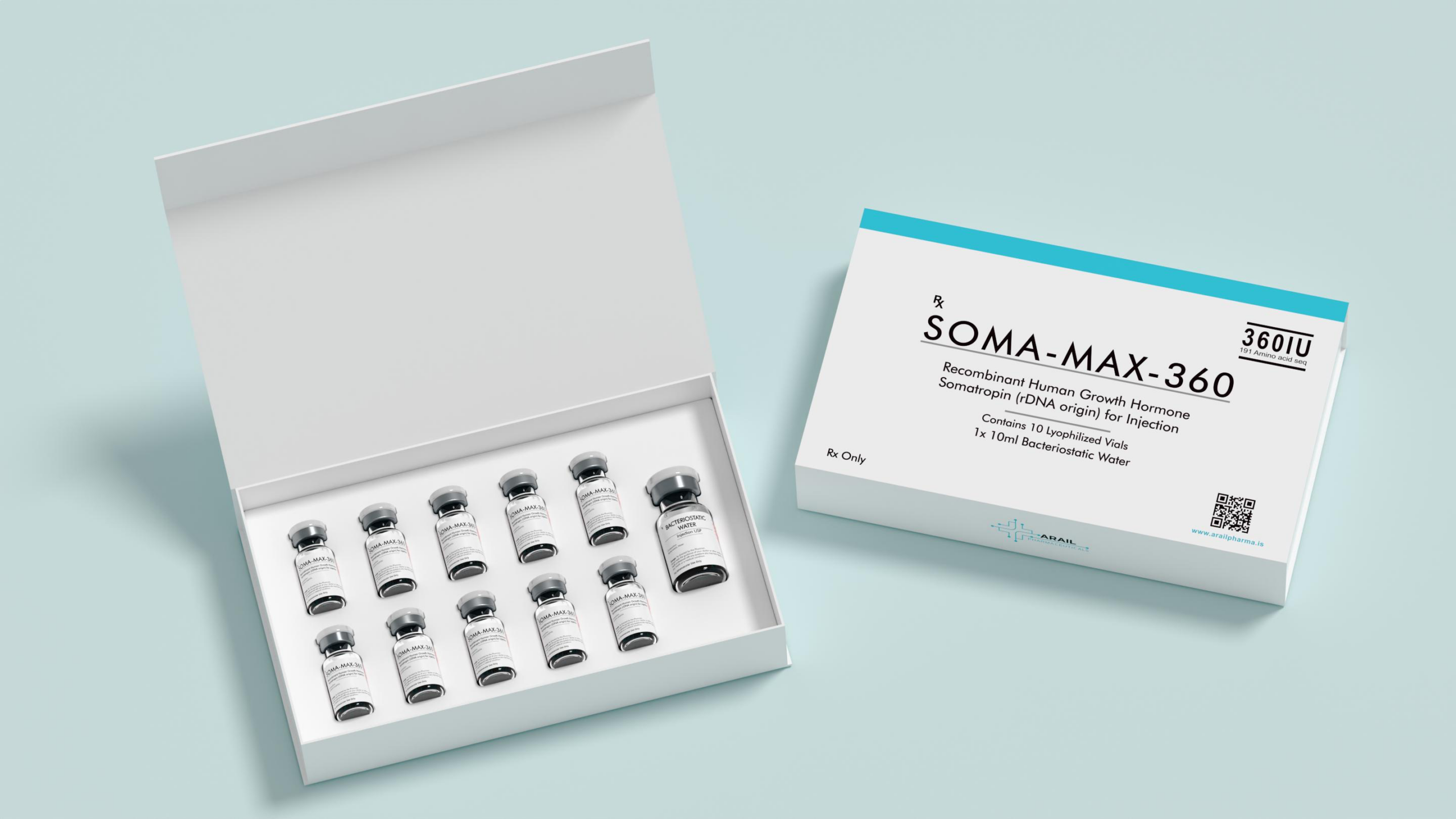
Human Growth Hormone (HGH) is a peptide hormone produced by the pituitary gland, consisting of 191 amino acids. This specific structure, referred to as HGH-191AA, mirrors the natural sequence of amino acids in human growth hormone.
Key Functions of HGH-191AA
- Growth Promotion: Stimulates growth in children and adolescents by acting on various tissues, including bones and muscles.
- Metabolic Regulation: Plays a role in regulating protein, carbohydrate, and lipid metabolism.
- Cell Regeneration: Supports cell reproduction and regeneration, contributing to overall tissue health.
Medical Applications
Synthetic HGH-191AA, known as somatropin, is used to treat various conditions:
- Growth Hormone Deficiency: Promotes normal growth and development in both children and adults.
- Turner Syndrome: Supports growth in individuals with this genetic disorder.
- Prader-Willi Syndrome: Helps with growth and body composition management.
- Chronic Kidney Disease: Addresses growth failure associated with kidney issues.
Dosage and Administration
Dosage varies based on the condition being treated, patient age, and response to therapy. For example, in pediatric growth hormone deficiency, the typical dosage ranges from 0.16 to 0.24 mg/kg per week, administered via subcutaneous injection.
Potential Side Effects
While HGH-191AA therapy can be beneficial, it may have side effects, including:
- Joint and muscle pain
- Edema (swelling due to fluid retention)
- Carpal tunnel syndrome (numbness or tingling in the hands)
- Increased blood sugar levels, with a potential risk of diabetes